Kilimanjaro Gear Packing List
Packing List
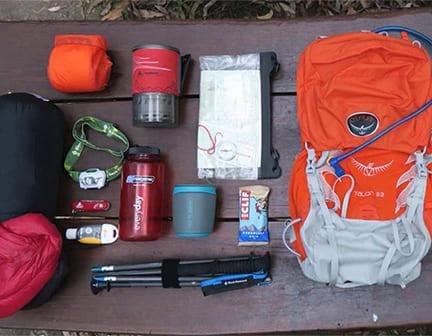
Your standard gear allotment is limited to 18-20 kg (35 pounds). Overweight or extra luggage will require an extra support crew which will cost you $20 USD per day. As long as you stick to the packing list below, you should be fine.
Packing Tips
Wrap clothing in waterproof plastic bags In your day pack, take along water, sunglasses, camera, rain pants (trouser) and jacket at a minimum. Add any other items you might need during the day because you may not see the support crew until end of your day's trek.
Bring extra sets of batteries for any electronics keeping in mind that cold weather shortens their life Carry high standard climbing gear on the airplane in case baggage is delayed.
Clothing on Kilimanjaro
Mt. Lemagrut lies on the western part of Ngorongoro crater. It takes less than an hour to drive to the lower slopes and for trekking, it takes 4 hours top and down. You can enjoy the beautiful You want your inner layer to be wicking -- no cotton. Next layer should be insulating and warm, and the top layer should be water proof but breathable. You will need clothes for hiking during the day, lounging in the evening, and for sleeping. Layers are important as temperatures vary greatly. Your clothing should be lightweight, breathable, hand-washable, and quick-drying. Shorts, mid-thigh or longer Long pants (zip-off pants are very useful),Short-sleeved shirts, Long-sleeved shirts Undergarments, socks,Sport bras for women Sweater, jacket, windbreaker, Rain racket and pants or rain poncho Sun hat with brim and chin strap, Bandana (for dust, washing, etc.), Beltview over the Serengeti plains, Lake Eyasi and the Ngorongoro Crater on a clear day. If you wish you can include this trek in safari tour to the Ngorongoro crater area.
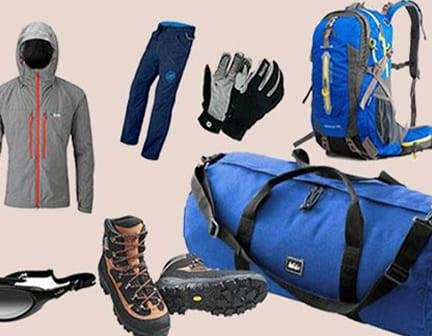
Cold Weather Clothing
Long underwear
Fleece jacket or wool sweater
Fleece pants
Mittens and/or gloves (waterproof, one thin pair, one thick pair that can be layered)
Wool or pile hat
Balaclava or neck gaiter
Hand and foot warmers (chemical activated)
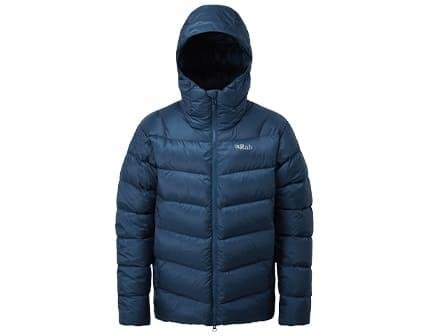
Down jacket or parka (for temperatures below freezing plus wind)
Fleece jacket or wool sweater
Fleece pants
Mittens and/or gloves (waterproof, one thin pair, one thick pair that can be layered)
Wool or pile hat
Balaclava or neck gaiter
Hand and foot warmers (chemical activated)
Down jacket or parka (for temperatures below freezing plus wind)
Footwear
Be sure to break in your shoes before the hike!
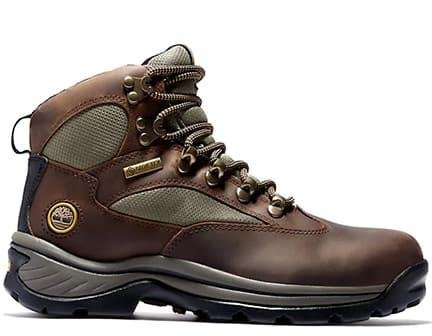
Trekking shoes for hiking during the day, preferably warm, waterproof, and with ankle-support -- not too light and not too heavy
Tennis shoes or sandals for lounging in the evening
Hiking socks for warmer conditions
Wool socks for colder conditions
Sock liners to wick away moisture
Gaiters (for mud and scree)
Snow cleats (optional)
Tennis shoes or sandals for lounging in the evening
Hiking socks for warmer conditions
Wool socks for colder conditions
Sock liners to wick away moisture
Gaiters (for mud and scree)
Snow cleats (optional)
Sleeping
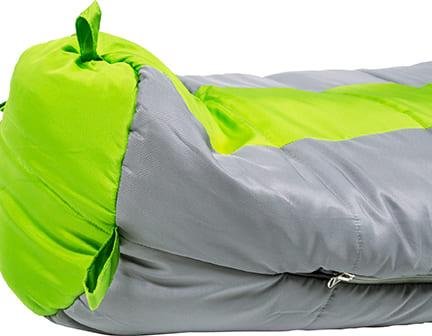
Sleeping bag (Rated -9 °F/-25 °C or colder is recommended)
Sleeping pad and repair kit
Baggage
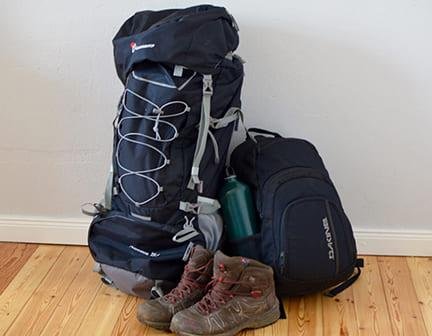
Large duffel bag or backpack with rain cover, for porters to carry
Day pack and rain cover, for you to carry , filters, memory disks (you will not be able to download)
Day pack and rain cover, for you to carry , filters, memory disks (you will not be able to download)
Toileries
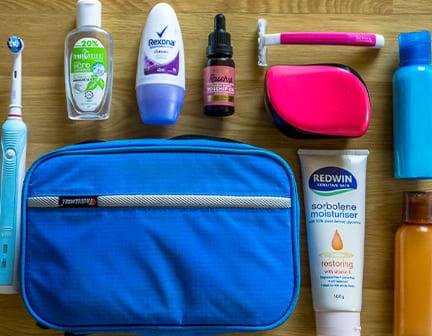
Soap
Shampoo, conditioner ,Nail clippers, file, and brush
Toothbrush, toothpaste,Moist towelettes (handi-wipes)
Hand sanitizer,Lotion,Hairbrush, comb, mirror
Small towel and washcloth,Toilet paper
Facial tissue,Sunscreen,Lip balm with sunscreen
Insect repellent,Q-tips
Sewing kit,Feminine products
Shampoo, conditioner ,Nail clippers, file, and brush
Toothbrush, toothpaste,Moist towelettes (handi-wipes)
Hand sanitizer,Lotion,Hairbrush, comb, mirror
Small towel and washcloth,Toilet paper
Facial tissue,Sunscreen,Lip balm with sunscreen
Insect repellent,Q-tips
Sewing kit,Feminine products
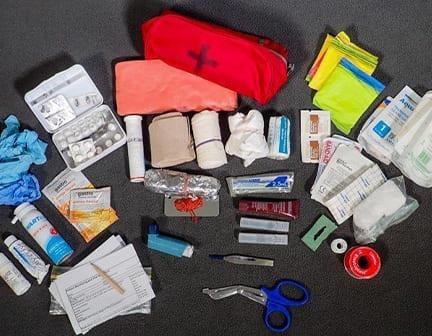
First Aid
You really only need one first aid kit in your travel group, so coordinate with your travel companions.
Ibuprofin, Aceteminophen, or Aspirin
Band-aids/plasters
Disinfectant, antiseptic cream, antibiotic ointment
Gauze bandages and tape
Throat lozenges
Vitamins
Diahrea medicine
Antihistamines
Ace bandage
Melatonin or other sleeps aid
Antibiotics (get advice from doctor)
Prescription drugs (get advice from doctor)
Diamox for altitude (get advice from doctor or your Mountain Guide on the mountain)
Ibuprofin, Aceteminophen, or Aspirin
Band-aids/plasters
Disinfectant, antiseptic cream, antibiotic ointment
Gauze bandages and tape
Throat lozenges
Vitamins
Diahrea medicine
Antihistamines
Ace bandage
Melatonin or other sleeps aid
Antibiotics (get advice from doctor)
Prescription drugs (get advice from doctor)
Diamox for altitude (get advice from doctor or your Mountain Guide on the mountain)