Selous Game Reserve
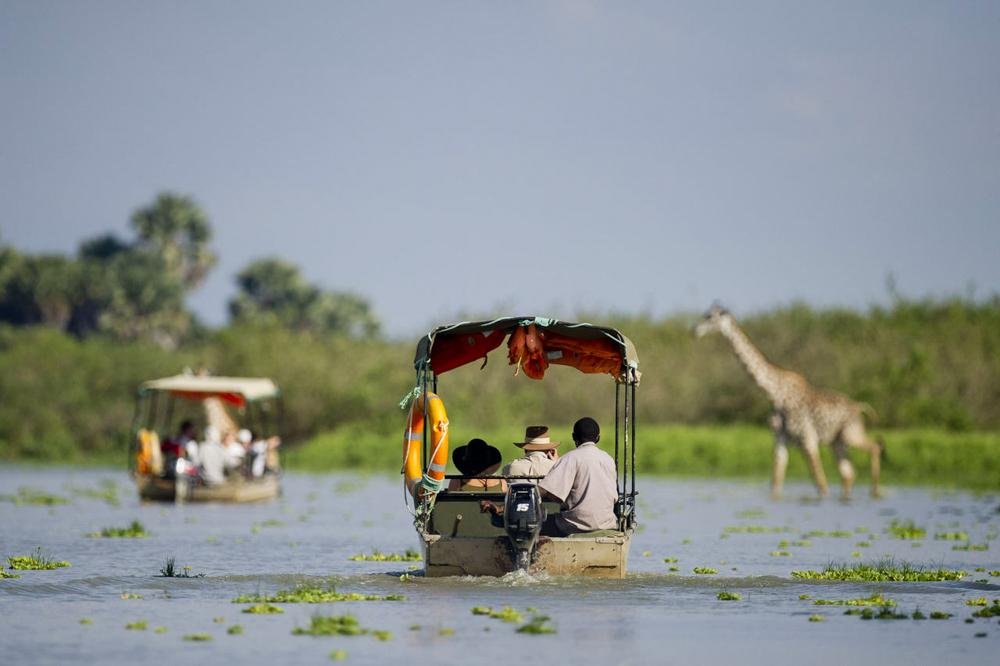
Selous Game Reserve
When to go | Best time to visit Selous Game Reserve
The wildlife in Selous Game Reserve
The incredibly large mammal populations that live in Selous Game Reserve are an affirmation of the claim that it is the most outstanding African wilderness and one o the best destination to enjoy a Tanzania Wildlife Safari.
The lions in the park are about 4,000 in number, buffaloes about 120,000 to 150,000 and the population of hippos is approximately 40,000, (which is likely the biggest numbers in Africa).
Selous Game Reserve is also the home to about 25,000 impala, giraffe, 35,000 zebra, Lichtenstein’s hartebeest, greater kudu, bushbuck, eland as well as the waterbuck. It is in addition among the best wildlife sanctuaries to see the puku antelope, endangered wild dog plus sable in Africa.
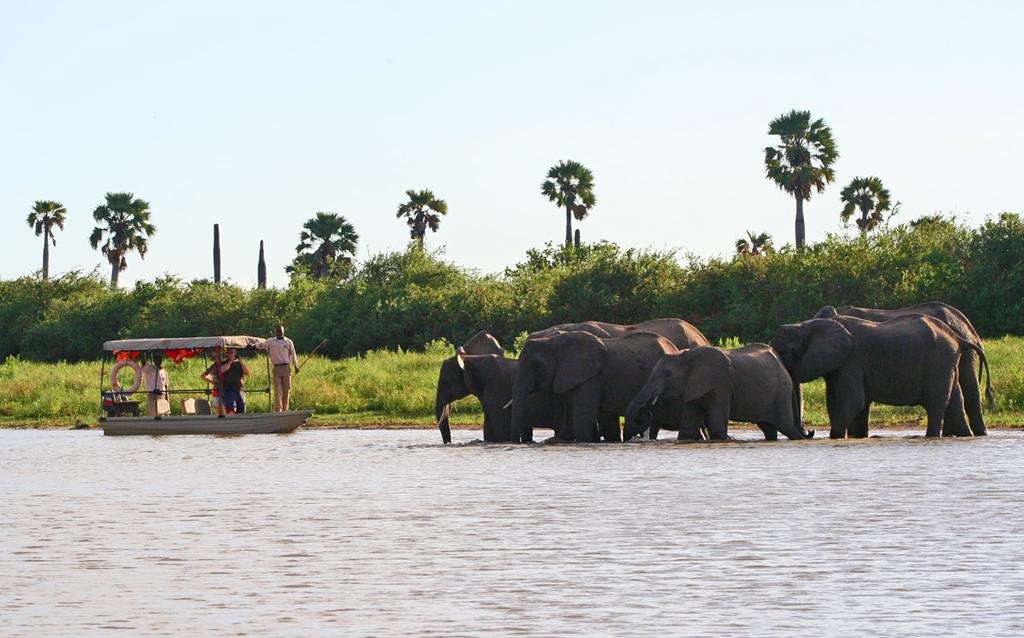
It is also a home to large numbers of crocodiles, leopard, spotted hyenas, hippo as well as other members of the big game family. Its alleged that a huge population of the elephants previous lived in the Selous Game Reserve however because of the increase in poaching within the park in previous years there was a great decline in the population of elephants compared to their initial numbers.
History of the Selous Game Reserve
The name Selous is commemorative of Fredrick Courtney Selous an Englishman who settled in the area and used to hunt there since 1871 and lived there for about forty years. He became famous in the region for being an excellent hunter during that time as well as for being a great writer whose most popular book was ‘A Hunter’s Wanderings in Africa’. Fredrick Courtney Selous was the second in command to Cecil John Rhodes during his operation to conquer the current Zimbabwe for the British. He was also infamous for openly disagreeing with the war of England against the Boer Republics of South Africa.
During the beginning of the First World War, Selous who was 60 years at the time was appointed the captain of the 25th Royal Fusilers, earning a Distinguished Service Order (DSO) during 1916. Given his intricate understanding of the bush, Selous spearheaded the hunt of the German guerilla army that governed the southern part of Tanzania. Unfortunately, on New Year’s Day of 1917, Selous was assassinated by a sniper next to the banks of River BehoBeho. He was laid to rest close to BehoBeho Safari Camp. the British colonialists about 5 years after the passing of Fredrick Courtney, decided to integrate numerous nearby game reserves that were south of the river to expand the plains of the conveniently named Selous Game Reserve.
In the 1940s in order to combat the outbreak of the sleeping sickness epidemic, the colonial government forced the people living within its boundaries to exit and that is how the Selous attained its present size.